
The Hurlers Cornwall
Archaeological Overview & Excavation History
Location: Stone circles 4¼ miles N.E. of Liskeard (A.38, A.390, B.3254), 1½ miles W. of Upton Cross (B.3254).
The Site: The Hurlers consist of three northeast-to-southwest aligned granite stone circles, which originally featured 25–35 stones each. From north to south, their current diameters and remaining stone counts are approximately 110 ft (13 stones), 135 ft (17 stones), and 105 ft (9 stones).
Excavation & Restoration:
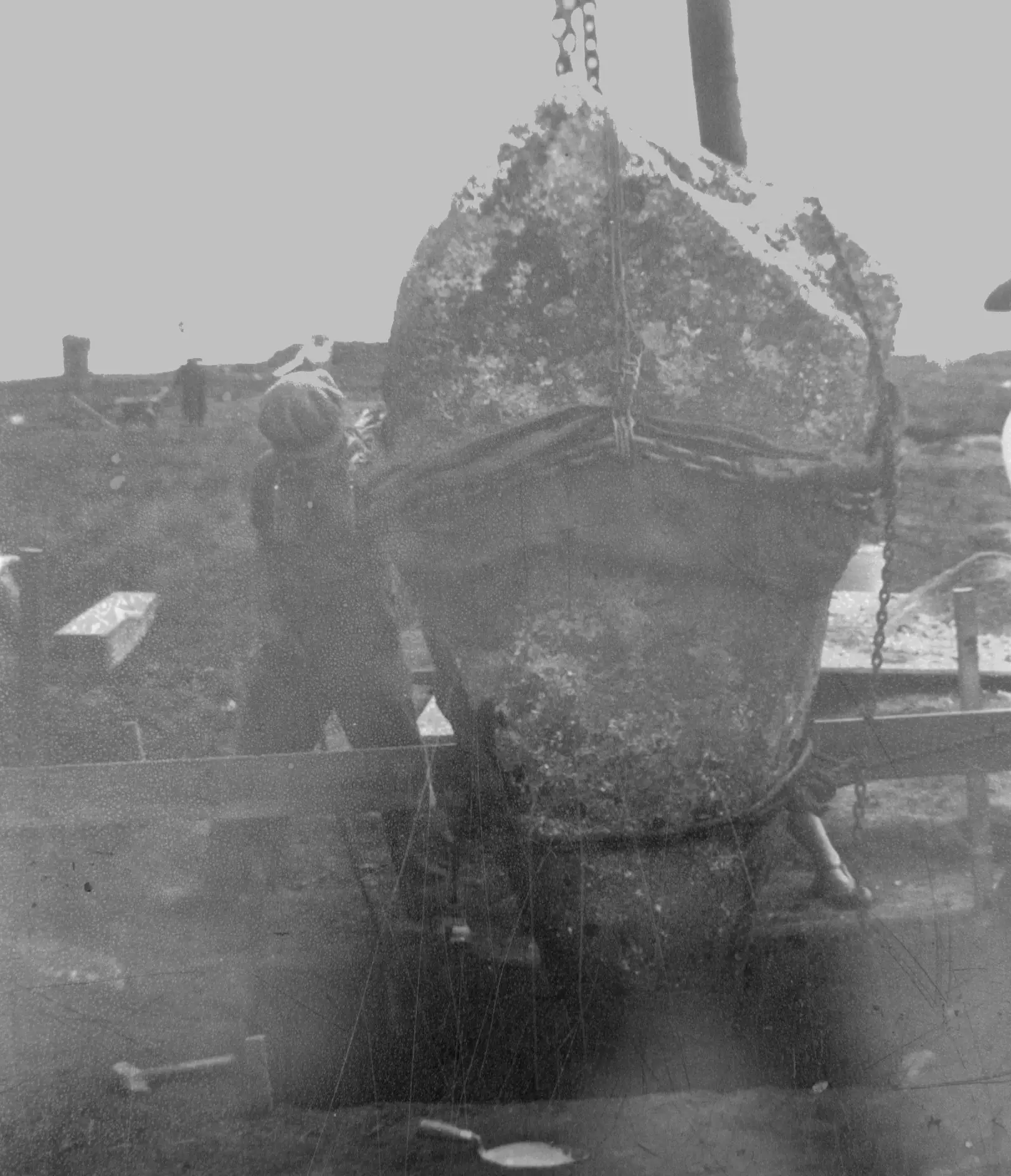
Over the centuries, many of these stones fell due to soil erosion, damage from grazing cattle using them as scratching posts, and localized copper and tin mining. Additionally, the historic granite-extracting Goldiggins Quarry is located just a 21-minute walk northwest of the site. During major excavation campaigns in 1935 and 1936, archaeologist C.A. Ralegh Radford cleared out the original prehistoric stone sockets, straightened the leaning pillars, and re-erected the fallen stones.
A Modern Reflection:
Even with all these good intentions, it remains baffling to think about the paradox of restoration. How can archaeologists—who were not there and cannot fully know the minds of the ancient builders—be so certain they know exactly how the monument should look today?
The Pre-Younger Dryas Hypothesis
Traditional history dictates that Neolithic and Bronze Age people built this monument entirely from scratch. However, the sheer effort required to move, work, and lift these stones is arguably unthinkable for nomadic populations working solely with primitive, prehistoric tools.
Instead, the physical evidence opens the door to the Pre-Younger Dryas Hypothesis. This theory proposes that an advanced, pre-cataclysmic civilization—existing prior to 12,000 BC—originally engineered the structure for a specific purpose, rather than as a tomb or a place of worship.
When the global cataclysms of the Younger Dryas devastated the Earth, this advanced civilization was utterly lost, and their technological knowledge was forgotten. Thousands of years later, as nomadic Neolithic populations began to repopulate and roam the landscape, they stumbled upon these ancient, surviving ruins. Today, archaeologists find their remains and conflate these two events, which were thousands of years apart, into one.
The video and photographs belong to AwE130; nonetheless, you are allowed to utilize them free of charge for non-commercial purposes, as long as you include a link back to this page as the source.


The legends
Although Stukeley is most famous for his Wiltshire surveys, he maintained a deep fascination with the prehistoric landscape of Cornwall. In 1749, he corresponded extensively with the local Cornish antiquarian William Borlase, requesting the exact measurements and diameters of the three stone circles at The Hurlers. Stukeley used these records to build his sweeping historical timeline.
Stukeley was a key figure in developing the narrative that stone circles were sacred temples built by an ancient, patriarchal priesthood known as the Druids. He famously argued that these monuments were designed with astronomical alignments to track the seasons and went as far as speculating that legendary figures, like a Phoenician iteration of Hercules, had physically traveled to western Britain to construct nearby sites like the Boscawen-Un stone circle.
local folklore
The Petrified Players: According to a 400-year-old local legend first recorded by historian William Camden in 1586, the three stone circles were originally local men who were turned to stone as a punishment. Their crime was playing the ancient sport of Cornish hurling (a traditional, fast-paced team game similar to rugby) on a Sunday, thereby breaking the Christian Sabbath.
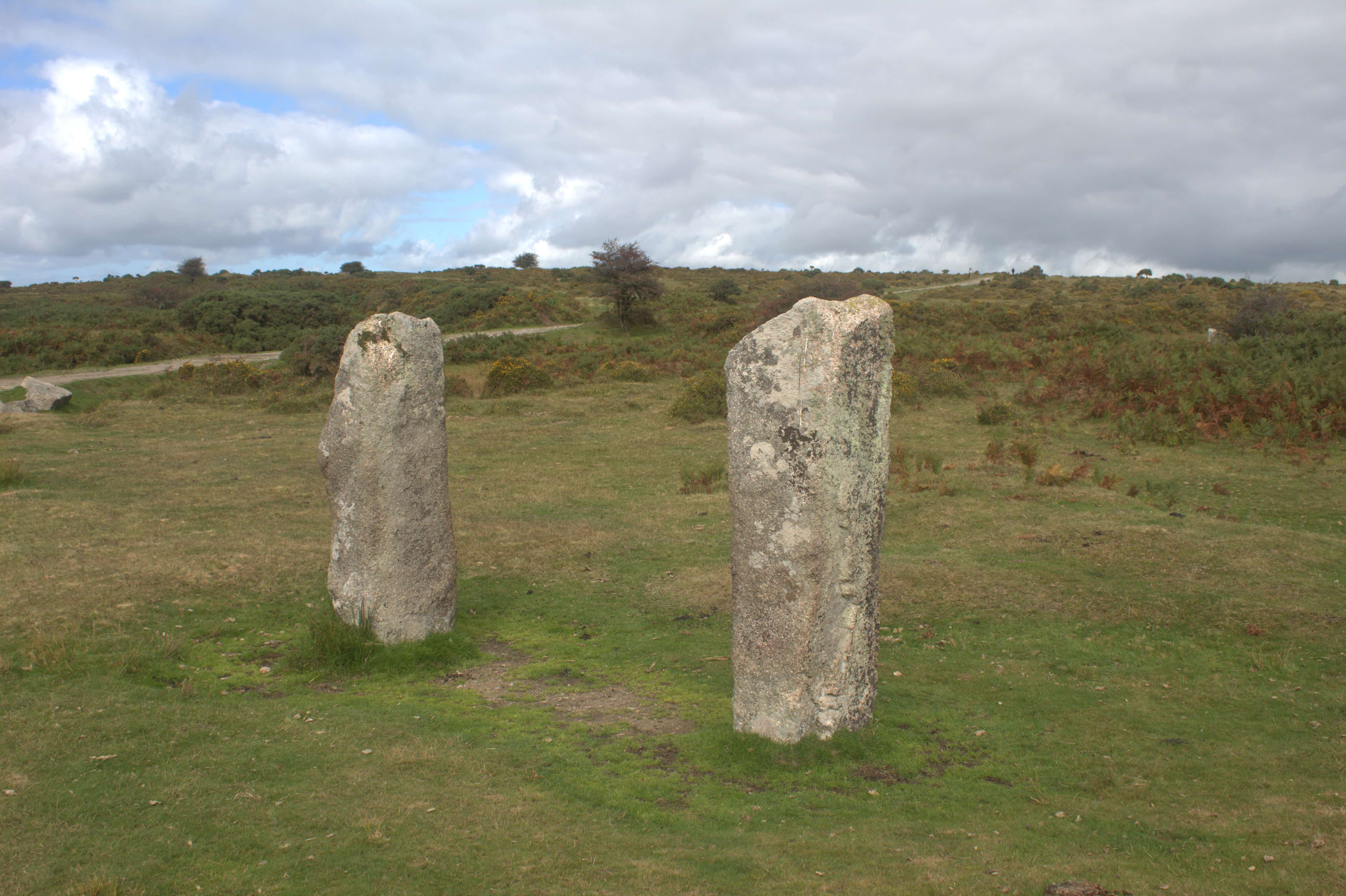
The Pipers: About 100 metres southwest of the main circles stand two solitary monoliths known as The Pipers. Folklore states these were the musicians who were also petrified for playing their pipes to entertain the sportsmen on the holy day.
(1) William Stukeley (1687–1765) was an English physician and clergyman from the 18th century, recognized as a pioneering field archaeologist and antiquarian. He is often regarded as one of the founders of contemporary British archaeology. His meticulous sketches and measurements serve as essential records of ancient sites, documenting them prior to the changes brought about by modern agriculture, urban development, and industrial quarrying that have since altered or obliterated these locations. (2) Image stone worke 1935from info board at the site